

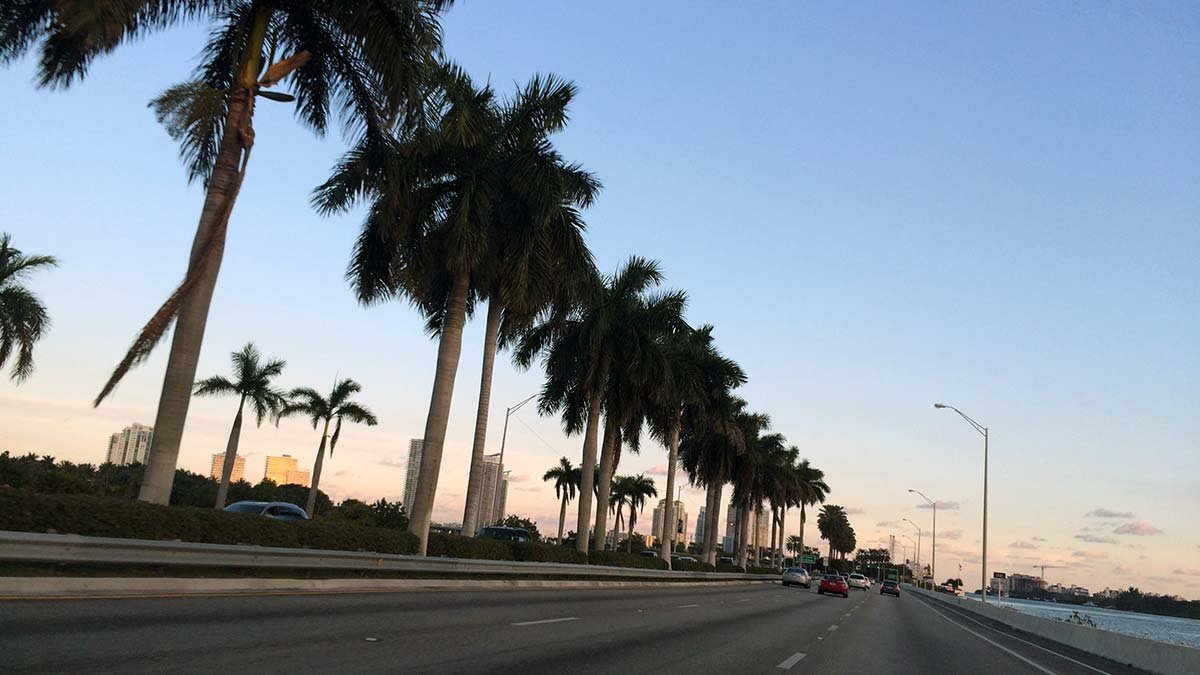
Here is the short answer: Miami is worth it, but only if you have the “armor of data” to navigate its predatory side. If you land here expecting a cheap beach holiday where everything is easy, you’ll leave frustrated and broke. But if you understand that Miami is a high-speed, multicultural powerhouse that requires a “smart” strategy, it becomes one of the most rewarding places on Earth.
For me, Miami is not just a place; it is a state of mind. It is a unique collision of a massive global city, world-class beaches, and a “hustle” energy that never stops. Whether you are deciding to visit for a week or move here for a decade, you need to know what you are actually signing up for.
Is Miami Worth? What Greater Miami Convention & Visitors Bureau Says
If you ask the Greater Miami Convention & Visitors Bureau, they will tell you the city is worth it for its “unique energy” and “global appeal”. They aren’t lying—Miami is an international hub of Michelin-star dining, world-class shows, and professional sports. But for the smart traveler, the “worth” of a visit depends entirely on your tactical playbook.
If you act like a vulnerable tourist and stay strictly in the South Beach (SoBe) bubble, you are going to leave feeling exploited. You will be blindsided by resort fees that can hit $55 a night and automatic 18-20% service charges on every drink—even at a coffee shop.
The Truth: Miami is worth visiting if you claim the city as your own. This means leaving the hotel pool and venturing into the authentic rhythms of neighborhoods like the Gables (Coral Gables) or the Design District. It means renting a car to see the real Florida, even if the highways intimidate you. A vacation here is a high-octane experience, but only if you have the “armor of data” to bypass the predatory pricing that targets the uneducated.
Is Miami Worth Visiting? The Cost of the “State of Mind”
When you look at the official tourist sites, they show you palm trees and neon lights. They don’t show you the $60-a-night valet parking or the $50 “Resort Fee” added to your hotel bill.
The Reality of the Visit: In 2026, Miami is an expensive playground. If you stay strictly in the South Beach bubble, you are going to pay a “tourist tax” on every meal and every drink. However, the city is worth visiting because it offers a concentration of culture, shopping, and events that is unmatched in the U.S..
Think about it: where else can you hit a world-class beach in the morning, shop at a massive outlet like Sawgrass Mills in the afternoon, and watch a global-tier show or NBA game at night?.
How to make it “Worth It”
- The Car is Your Freedom: Do not rely solely on Ubers. If you want the soul of the city, you need to drive. Mastering the Seven Mile Bridge to Key West or the drive to Orlando is part of the experience.
- Check the Receipt: Most restaurants in high-traffic zones (Brickell, South Beach, Wynwood) add an automatic 18% or 20% Service Charge. Do not tip on top of this unless the service was exceptional.
- The Parking Hack: Look for the green PayByPhone signs. Municipal parking is often $2 to $4 an hour, while the lot next door might charge a $40 flat rate.
Is Miami Worth Living? The Geographic Sanity Test
Chasing the “Tax-Free” Florida dream has become the standard move for everyone from tech founders to finance VPs, especially as Brickell morphs into the “Wall Street of the South.” On paper, skipping state income tax is a massive win—it’s an immediate raise for just changing your zip code. But here’s the reality: living in Miami is a full-contact sport, and the “Miami Tax” is very real. You’ll see that tax-break profit disappear into some of the highest car insurance rates in the country, soaring rents, and a daily toll-booth grind that never ends.
To survive here, you have to treat the city as a state of mind rather than just a financial shelter. It’s a high-stakes environment where the “hustle” is the local religion. You aren’t just paying for the sun; you’re paying for the privilege of playing in a multicultural powerhouse that challenges your patience and your bank account every single day. If you don’t have the grit to handle the logistics of a metropolis that’s always “on,” the zero-tax dream can quickly turn into a logistical nightmare.
The Economic Trade-off
You save on income tax, but you spend it on car insurance, high rents, and the “Miami lifestyle” inflation. The city has become the “Wall Street of the South,” and with that comes a high cost of entry.
The Logistics of Sanity
If you move here, your quality of life depends on one thing: your commute. The I-95 and the Palmetto are meat grinders of productivity. To survive, you have to live near where you work or learn to move against the flow.
Is it worth living here?
Yes, if you crave an environment that is “always on.” Miami is a healthy, sun-drenched powerhouse. It is a place where you are constantly surrounded by different languages, global events, and people who are here to “hustle”. If that energy motivates you, the cost is just a line item in your budget.
The Rent Reality: It’s Not Just About the Check
You don’t need to drop $3,000 a month to get a roof over your head in the 305, but you do need to be realistic about the trade-offs. I’ve seen decent spots for $2,200 or $2,500 in neighborhoods that are still “up-and-coming,” but here is the thing: in Miami, you usually pay in time what you save in cash. If you find a bargain way out in West Kendall but work in Brickell, that lower rent comes with a hidden “tax” of two hours of your life wasted on the Palmetto every single day. To me, Miami is a state of mind, and that mindset is about being smart with your resources.
Don’t just look at the floor plan; look at the commute. If the price is low but the drive is a nightmare, you aren’t actually saving money—you’re just trading your sanity for a cheaper zip code.
The Visa Reality: It’s Not Just a Flight Away
While Miami is a “state of mind” for many, the legal system sees it as a pile of complex paperwork. I’ve seen too many people arrive with a dream and a suitcase, only to realize they didn’t factor in the true cost of staying. Whether you’re looking at an E-2 investor visa, an O-1 for talent, or a corporate transfer, the process is a marathon, not a sprint. You’re looking at attorney fees that can easily hit $10,000 to $15,000 and waiting times that test your patience.
This isn’t a city where you “figure it out” after you land. If you aren’t moving from another U.S. state, your first real “hustle” starts at the consulate long before you ever step onto the I-95. Treat your immigration status as your first major investment in the 305; without the right strategy, the zero-tax dream remains just that—a dream.
Why Miami? The Uniqueness Gap
You can look at Los Angeles or New York—one is a sprawling movie set and the other is a concrete grind—but neither has the specific friction that makes Miami a unique state of mind.
Here, you aren’t just in another American metro; you’re standing at the exact point where high-end US infrastructure crashes into a raw, unfiltered Latin American soul. It’s that collision of worlds—the Michelin-starred dining rubbing shoulders with a $2 sidewalk coffee window—that gives this city an energy you won’t find anywhere else on the map.
- The Multicultural Soul: Miami is a Latin American city that happens to be in the U.S.. The Spanish language isn’t just a side note; it’s the operating system of the city.
- The Event Hub: There is a major event every single day. From Art Basel to the World Cup 2026, the city is a stage for the world.
- The Shopping Mecca: People fly from all over the world just to hit Aventura Mall or Dolphin Mall. If you are a smart shopper, you can find deals that justify the flight alone.
- The “Ventanita” Culture: You can have a $200 Michelin dinner, but the real soul of the city is found at a sidewalk window drinking a $2 cafecito with locals.
Logistics of Reality: Navigating the Chaos
You cannot be afraid of the drive. The I-95 is aggressive, but it’s also predictable once you learn the rhythm.
- Express Lanes: These are the lanes separated by plastic poles. They save time but cost money—sometimes a lot of it. Never “lane dive” (cross the poles). It’s the fastest way to get a ticket or cause an accident.
- Towing Companies: In Miami, towing companies are faster than a Formula 1 pit crew. If a sign says “Residents Only,” believe it. They will have your car gone in under three minutes.
- The Police Presence: You will see a lot of police in areas like South Beach or Brickell. Don’t be nervous. They are professionals and a huge asset to your safety. They allow the nightlife to thrive while keeping the “bad actors” at bay.
Look, if you aren’t behind the wheel, you aren’t truly seeing Miami—you’re just paying someone to show you the sanitized version. I’ve been at this for 23 years, starting back when I had to navigate with a paper map on my lap and no GPS.
To me, Miami is a state of mind, and that mindset requires the freedom to leave the tourist bubble whenever you want. You need to hit the I-95, figure out the Express Lanes with your SunPass, and move from the Brickell skyline to the canopy of the Gables on your own terms. Ubers are a crutch for the uninformed; the soul of the 305 only reveals itself to those who actually grab the keys and drive it.
The Money Talk: 2026 Real Costs
To really know if Miami is worth it, you have to look past the booking site prices and look at the math of the sidewalk. In this city, the price on the tag is almost never what hits your card. You have the 7% sales tax, the 18% to 20% service charges that show up on your bill without warning, and those resort fees hotels love to hide until the final click. It’s enough to blow your budget before you even see the ocean.
But here is the thing: there is a huge price difference between being a tourist and being “smart.” You can choose to pay a $60 convenience tax for a valet, or you can use the right info to find a $2 municipal spot a block away. To help you see the real payoff of the 305, I’ve put together the actual receipts for 2026—everything from the high-end drinks in Brickell to the $2 coffee that actually fuels this town.
| Item | Estimated Cost | The Insider Verdict |
| Valet Parking | $35 – $65 | Skip it. Use municipal lots via PayByPhone. |
| Cocktail in Wynwood | $18 – $24 | You’re paying for the vibe. Check for auto-gratuity. |
| Resort Fee | $35 – $55 | Mandatory at most hotels. Factor it into your nightly rate. |
| I-95 Express Toll | $1 – $15 | Depends on traffic. Use a SunPass to avoid extra fees. |
| Meal on Ocean Drive | $40+ | Tourist Trap. Go one block inland for better value. |
The Survival Protocol: Don’t Be Afraid, Be Informed
Knowledge is your only real security in this city. I’ve spent 23 years separating the noise from the truth so you don’t have to wander into “transition zones” or pay for parking scams.
When you move with the confidence of someone who knows the rules, Miami stops being intimidating and starts being incredible. You stop being a target and start being an insider.
Ready to master the 305? Read my survival guide on why you don’t need to be afraid of Miami if you have the right keys.
The Armor of Data: Don’t Be Afraid of Miami. I’ll tell you why.
Should You Go? Who is Miami Really For?
Miami is for the traveler who wants to feel the future. It is for the person who loves big city energy but wants the ocean breeze as a backdrop.
If you are looking for a quiet, low-cost vacation, look elsewhere. But if you want to experience a unique state of mind where every day feels like an event, then yes, Miami is worth it.
Stop watching the headlines. Get the data, rent the car, and I’ll see you in the city that never stops.