

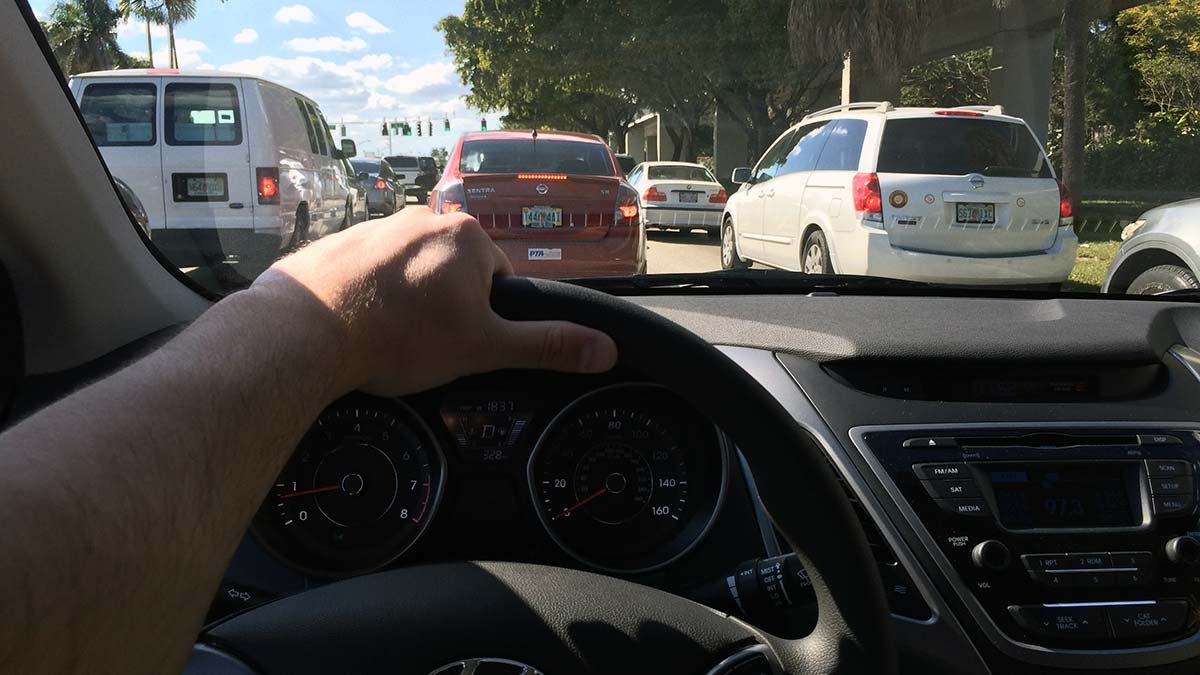
To experience the real soul of Miami and navigate its sprawling logic without losing your mind, you have to get behind the wheel. I’ve lived through the alternative, and I can tell you plainly: if you aren’t the one controlling the steering wheel, you aren’t experiencing Miami—you’re just surviving it.
This city is a sprawling collection of neighborhoods separated by vast, inhospitable oceans of asphalt. While travel influencers might show you videos of people strolling through a few blocks of South Beach, they conveniently leave out the part where you’re trapped in a 10-lane gridlock or melting under a 95°F (35°C) sun because you thought the bus was a viable option.
In Miami, your car is more than transport. It is your climate-controlled sanctuary, your mobile locker for shopping hauls, and your only shield against a city infrastructure that treats pedestrians as a low-priority glitch in the system. Being at the helm of your own vehicle is the only way to stitch together the disparate pieces of the 305—from the high-gloss towers of Brickell to the gritty, authentic corners of Allapattah.
Without a car, you are confined to a tiny, expensive radius. With one, the entire Florida coast becomes your playground.
The 10-Lane Wall: Why Your Toes Will Fail You
The biggest mistake a first-time visitor makes is assuming Miami is a “walkable” city. It is not. Aside from tiny pockets like the Lincoln Road mall or the village center of Coconut Grove, the city is aggressively anti-pedestrian.
When you look at a map, a destination might look “just a few blocks away.” In Miami, those “blocks” are often separated by massive thoroughfares like Biscayne Blvd or US-1. These aren’t streets; they are urban highways. Attempting to cross them on foot is an exercise in frustration. The pedestrian signals are timed for Olympic sprinters, and the sheer volume of traffic makes you feel small and exposed.
The Social Awkwardness of the Sidewalk
There is a certain awkwardness to walking in Miami. In many neighborhoods, the sidewalks are empty for a reason. If you are walking, locals assume your car broke down or you’re in a state of emergency. You are the only person exposed to the humidity and the exhaust fumes while thousands of people fly past you in air-conditioned comfort. It isn’t just about the heat; it’s about the scale. Miami was designed for 45 mph (72 km/h) perspectives, not 3 mph (5 km/h) strolls.
The Safety Gap: The “Right on Red” and Distracted Reality
This is where utility becomes a matter of life and death. In Florida, the Right Turn on Red rule is king. Drivers are allowed to turn right at a red light after a complete stop. However, most drivers are looking to their left, scanning for a gap in oncoming traffic. They are almost never looking to their right to see if a pedestrian is stepping off the curb.
The “Serious Call” Factor
Add to this the local culture of distraction. In Miami, the car is an office. You will see drivers engaged in “serious” business negotiations or heated family debates on their phones, completely oblivious to the world outside their windshield. They aren’t looking for you. When you are behind the wheel, you have 3,000 lbs (1,360 kg) of steel protection. When you are on the crosswalk, you have a t-shirt and a prayer. For a global traveler used to European or Asian pedestrian-first cities, this is the biggest reason to stay in a car: safety.
The Transit Trap: The “Once a Year” Bus and Uber Math
Let’s talk about the alternatives. People often ask me, “Can I just take the bus?”
I have a running joke: the Miami bus only passes once a year. While the county’s Better Bus Network is a noble effort, the reality for a tourist is brutal. Wait times can easily hit 45 to 60 minutes. Standing at a shadeless stop while your sweat turns your clothes into a second skin is no way to spend a vacation.
The “Uber Math” that Fails
Then there is the ride-share trap. Many think they’ll save money by skipping the car and using Uber or Lyft. Let’s look at the 2026 receipts. A trip from South Beach to the Aventura Mall might look like $30 on the app. But try ordering that same ride at 5:00 PM when a tropical thunderstorm hits. That $30 jumps to $75 instantly due to surge pricing.
- Scenario: Two round-trips a day in “surge” conditions can easily cost you $150.
- The Alternative: Even with the high cost of Parking in Miami, gas, and tolls, you’re still likely under that daily Uber bill. Plus, you don’t have to wait 15 minutes for a driver who might cancel on you three times.
The “Mobile Locker” Advantage
This is a piece of utility most guides ignore. In Miami, your car is your base of operations. If you’re heading to the Design District for some window shopping and then want to hit Wynwood for the art galleries, you don’t want to be carrying bags.
With a car, the trunk (or the boot, for my UK readers) is your best friend. You can buy that pair of shoes, toss them in the back, and head straight to a rooftop bar without looking like a pack mule. If you’re traveling with kids, the car becomes a nursery on wheels—stocked with snacks, changes of clothes, and that precious air conditioning that keeps everyone from having a meltdown.
Defensive Zen: How to Navigate the 2026 Chaos
If you’re going to drive in Miami, you need a specific mindset. I call it “Defensive Zen.” You cannot be afraid, but you must be patient.
The Signature Bridge Maze
The heart of Miami’s highway system—the I-95/I-395/SR-836 interchange—is currently a multi-year construction nightmare known for the Signature Bridge project. The lanes shift almost weekly.
- Pro Tip: Never drive without a live GPS (Waze or Google Maps). If you miss your exit on the I-95, you might end up 5 miles (8 km) away before you can find a legal way to turn around.
- The I-95 Express Lanes: These are “pay-to-play” lanes. If you see the traffic backing up, use them. You’ll need a SunPass (or your car’s built-in transponder) to pay the tolls. It is always “Worth It” to pay $5 to save 30 minutes of your life.
The Local Driving Culture
In Miami, the turn signal is often viewed as “giving information to the enemy.” People will cut you off, swerve across three lanes to catch an exit, and generally drive like they’re in a Fast & Furious movie.
- Signal Early: Be the predictable one.
- Watch the Blind Spots: Assume there is a distracted driver in the lane next to you.
- No Fear: If you hesitate at a merge, the guy behind you will honk. Be decisive.
The Economics of the Asphalt (The Receipts)
To help you plan, here is a realistic look at what it costs to own the road in Miami in 2026. Remember, these prices don’t include the 7% Florida Sales Tax or the automatic service fees many places tack on.
| Expense | Est. Daily Cost | The “Worth It” Verdict |
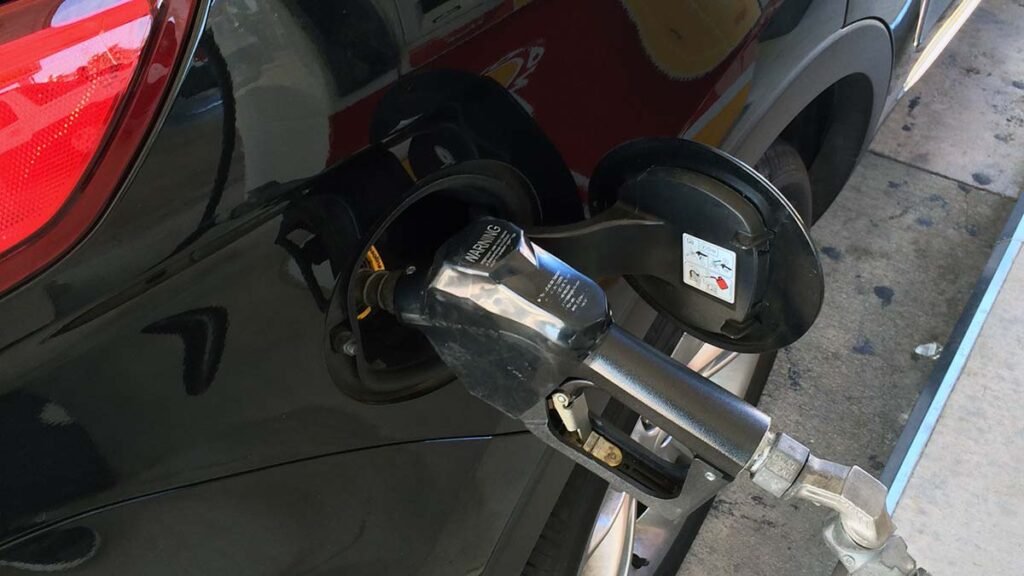
| Fuel (Per Gallon) | $3.50 – $3.90 | Worth It. Still cheaper than a single Uber surge. |
| Public Parking (App) | $10 – $20 | Yes. Look for the green “P” signs for municipal lots. |
| Hotel Valet Parking | $45 – $65 | Not Worth It. Park a block away in a public garage. |
| SunPass (Tolls) | $5 – $15 | Mandatory. Essential for the Florida Turnpike and Express Lanes. |
| Parking Ticket (Fine) | $36+ | Avoid. Miami Beach parking enforcement is ruthless. |
| The “Trunk Locker” | $0 | Priceless. The freedom of not carrying shopping bags. |
Your Next Stops: Where the Road Leads You
Now that you understand why the car is essential, you can start planning the where. Having a car allows you to reach the experiences that define the Florida trip:
- The Road to Key West: A 113-mile (181 km) journey across 42 bridges. You cannot do this properly in a tour bus.
- The Everglades: Try getting to Shark Valley or an airboat tour without your own wheels. It’s nearly impossible.
- The Redlands: This is the “old Florida” south of Miami. You need a car to visit Robert Is Here for a mamey milkshake or to see the Coral Castle.
- The Outlet Mission: To conquer Sawgrass Mills (35 miles [56 km] north of Miami), a car isn’t just helpful; it’s a requirement.
Who is the Car NOT For?
I’ll be brutally honest: if your plan is to land at MIA, take a shuttle to a hotel on Ocean Drive, and sit on the sand for 7 days without ever leaving South Beach, then forget the car. You’ll pay $50 a day just to park it and look at it.
But if you are a Smart Traveler who wants to see the murals in Wynwood, the mansions in Coral Gables, the sunset at Key Biscayne, and the luxury of the Design District, you need to be the one with your hands on the wheel. It’s about more than moving from Point A to Point B; it’s about the dignity of choice.
Miami is an asphalt city. To love it, you have to drive it. Rent the car, turn on the AC, find a local radio station, and go find the soul of the city on your own terms.